
Training South West Blog
Emotional Intelligence in Leadership & Why it Matters
Emotional Intelligence (EQ) is the ability to recognise, understand and manage our own emotions, as well as those of others, to achieve positive outcomes.
In the workplace, this is a critical skill and a core component of effective leadership. As a result, many organisations are now investing in
management and leadership training to help managers build stronger emotional intelligence, communication and people management skills.
From everyday interactions to complex leadership challenges, emotional intelligence underpins effective communication, stronger relationships and better decision-making.
Leaders with high emotional intelligence are better equipped to:
- Handle difficult conversations with confidence
- Manage conflict constructively
- Communicate clearly and empathetically
- Build trust within their teams
- Maintain performance under pressure
As a result, organisations are increasingly recognising emotional intelligence as a core leadership capability.
The Link Between Emotional Intelligence and Leadership
At the heart of effective leadership is self-awareness.
If leaders are not aware of their own behaviours, triggers and communication style, it becomes difficult to adapt, improve or lead others effectively.
Emotionally intelligent leaders are able to:
- Recognise how their emotions impact others
- Adjust their communication style depending on the situation
- Respond (rather than react) under pressure
- Create a positive and productive team environment
Strong emotional intelligence also supports clearer, more effective workplace communication. This is why many organisations combine leadership development with communication skills training to ensure managers can apply these behaviours in real conversations.
It is also an important reason why emotional intelligence is a key focus area within our Leadership Training Courses.
Understanding the Self-Talk Cycle
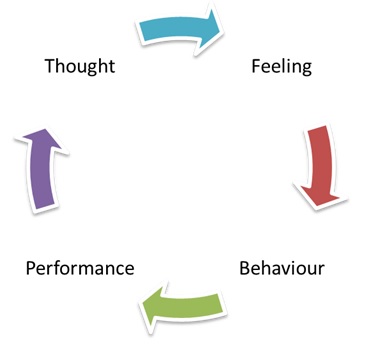
A key concept within emotional intelligence is the self-talk cycle.
This refers to the internal dialogue we all experience - the “voice in our head” and how it influences performance.
The cycle works like this:
- Thoughts → create feelings
- Feelings → influence behaviour
- Behaviour → impacts outcomes
For example:
- Negative self-talk can reduce confidence and performance
- Positive self-talk can improve focus, resilience and results
By becoming more aware of this cycle, leaders can better manage their mindset and respond more effectively in challenging situations.
Applying Emotional Intelligence in the Workplace
Developing emotional intelligence enables leaders to:
- Communicate more effectively across teams
- Navigate sensitive or challenging conversations
- Build stronger working relationships
- Lead with greater confidence and credibility
These skills are particularly important for organisations managing diverse teams, remote working environments or periods of change.
Leadership Training Across the South West
At Training South West, we deliver practical, high-impact leadership training designed to help managers and leaders build emotional intelligence and apply it in real workplace situations.
Our courses are delivered locally across:
Whether you're based in Exeter, Taunton, Yeovil, Plymouth, Bristol, Bournemouth or more remote areas, our trainers bring expert-led, engaging training directly to your organisation.
Contact us to discuss your requirements.